How to Profit From Low-Content Products Using Private Label Rights (PLR) Content
 Make low content products from PLR and profit! Low-content book publishing has grown in popularity in recent years as a result of how simple and inexpensive it is to get started making money with it. People are creating their own brands and benefiting from low-content products, and others are just using services such as Kindle Direct Publishing (KDP) to create their own low-content products directly on Amazon. You have a lot of choices here! And, thanks to the power of PLR content, it’s never been easier or faster to develop and sell your own low-content items. Now, before we get too far ahead of ourselves, let’s define low content products.
What is low content book publishing?
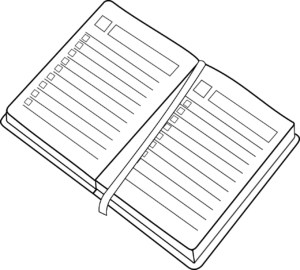
Paperback books with little or no text or illustrations are known as low-content books. They direct the reader through the text. These are books that, like notebooks, recipe books, planners, and other similar items, take less than a few hours to make and can help you earn a four-figure monthly income.
Here are a few examples of items with minimal content.
Journals
Coloring Books
Puzzle Books
Activity Books
Diaries
Trackers
Blank Notepads
Visitor’s books
Personal Journals
Planners
Books with writing prompts
Books with quotations
Books on cooking
Note: If you spend some time researching each of these on Amazon, you’ll see samples of these things, which can help you get a better picture of what low-content products are.
This is by no means an exhaustive list, and each of the products listed above has hundreds, if not thousands, of versions, topics, niches, and other options. We could all become low-content product creators with an endless supply of low-content product ideas. The possibilities and variants are limitless.
Where to Purchase PLR
 You could either invest a lot of time coming up with your own ideas and developing the material you’ll need to make your ideas a reality, or you could buy PLR content designed expressly for low-content product developers. Here are a few places where you can purchase PLR and start making low-content items.
Pages to colour
Pages from a puzzle book
Complete journals and journal pages
Pages from planners as well as whole planners are available.
Workbooks
Pages of the tracker
Graphics
Covers for products
I’m sure I’m forgetting something, but a simple Google search turned up everything I needed on a variety of themes and niches. You can do the same thing, and it’s exactly what you should do to get started with PLR material and producing your own low-content offering.
Warning: You cannot utilize PLR content as is if you want to sell your low-content products on KDP. You should revise it. If you’re selling on KDP, make sure you understand how to use PLR to create low-content items. Here is an article on using PLR content in high content applications. It might be a good idea to read it and see how low content and high content are similar. PLR should always be edited and adjusted prior to use.
Are low content books still profitable?
 Because they need little effort to make, low-content books are profitable and a fantastic source of passive revenue. Furthermore, creating and selling low-content books via Amazon KDP requires no upfront expenditure.
Second, low-content novels can be extremely lucrative. Because they rarely take more than a few days to put together and develop, you may usually see a quick return on your time investment. There’s no need to spend months slaving away at a computer; these novels may often be completed in a matter of days.
Here are the steps you’ll need to follow to get your own low-content products up and running using PLR content:
Find out what kind of PLR content you can get
The first thing you’ll do is go to Google and look up what low-content products you can get PLR for. Look for “low content PLR” or any of the low content items + PLR I mentioned earlier. “Journal PLR” or “colouring book PLR,” for example. You get my drift. Make an effort to devote some time to your research!
Make a list of the ideas you came up with during your research
Make a list of any ideas you have for low-content items as you conduct your investigation. Make a list of the URLs where you can acquire the content you’ll need to make your low-content items. This is another area in which you should take your time and do some thorough study. It doesn’t matter if it takes you all day. it takes some effort, but do it!
Once you’ve come up with a few ideas, choose one to start with and purchase the PLR material you’ll need to make it. Remember, this is PLR content, so you can make any changes you want and add anything you want, so keep your eyes peeled for other items you can buy the PLR for.
Determine where and how your low-content product will be sold
It’s best if you decide how you’re going to market your low-content product before you start making it. The best and most straightforward option is to use a print-on-demand service such as KDP, although there are alternatives such as BookBaby, Lulu xPress, and others. You can also use your low-content products to create a brand. Conduct research to determine the best method and location for selling your low-content goods.
Put Your First Idea into Action
 Once you’ve decided where you’ll sell your low-content product and how you’ll get it made, it’s time to get to work on the actual low-content product! Take your PLR content, spend some time making it your own, add whatever else you want, and format it for the market you’re selling it in. If you’re going to use the KDP, for example, there are restrictions, sizes, and other requirements that you must adhere to. Different print on demand (POD) sites have different requirements, so make sure you’re doing it right for where you’re selling it.
Get Your Low-Content Product on the Market
You’ll be ready to start selling your new low-content product at this time. Depending on where you’re selling, you’ll need to figure out how to bring traffic to it so you can start making sales. The benefit of adopting KDP is that Amazon already has a lot of traffic. By optimizing your listing and/or using their paid advertising platform, you can tap into that traffic. If you’re going to drive all of your own traffic, you’ll need to sit down and devise a marketing strategy.
Rinse and Repeat
You might not hit a home run the first time you design a low-content product. But don’t let that deter you! Perhaps that first product only sells a few times a week. What if you had 5, 10, 50, or even more of these low-content products selling a couple of times every week? You’re adding an income stream to your empire every time you add a new low-content product, so take what you’ve learned here and keep rinsing and repeating. You might even hit a couple of “homeruns” that bring in the big money!
As you can see, making and selling your own low-content items can be a lucrative and enjoyable endeavor. Make your own plan to profit with your first low content product using the methods and advice I’ve provided above, and then move on to creating your own high profit low content product empire